 610.432.2600
How Paid Social Manufactures Demand
Before a Single Search Is Typed
People scouring online directories for emergency plumbers in Phoenix have usually already decided they need the service, and search advertising is built to capture that existing certainty. Paid social works from the opposite premise: most people scrolling Meta, TikTok, or LinkedIn in Phoenix are not in a buying mindset at all, so a campaign has to build the demand and plant the brand well before that search is ever typed.
Project Snapshot: The 5 Ws
The Mechanics of a Phoenix Paid Social Campaign
The Who
The What
The When
The Where
The Why

Who: The Audience Being Targeted
The Passive Scroller: A person not actively searching for anything. Behavioral data, interests, location, and demographics flag them to the system as a statistically likely candidate. The targeting finds them.
The Warm Retarget: Someone the pixel has already tagged for visiting a page, watching a video, or engaging with a previous ad. They expressed interest. The follow-up message addresses that specific interest.

What: The Campaign Work
Prospecting Campaigns: The mechanism opens by pushing ads to cold audiences through interest targeting, lookalike audiences, or demographic filters. Goal is awareness, not immediate conversion.
Retargeting Campaigns: The mechanism then re-serves warm audiences with specific offers engineered to move consideration into action.

When: The Timing
Algorithmic Delivery: The delivery algorithm releases ads into the windows when a target audience is most active; switching on manual dayparting overrides that and usually underperforms algorithm-managed delivery for most objectives.
Funnel Sequencing: Awareness messaging runs first. Retargeting follows after a defined engagement threshold. Fire a conversion offer at a cold audience and it returns less than the same offer served after an awareness touchpoint has set the context.
Where: The Placements
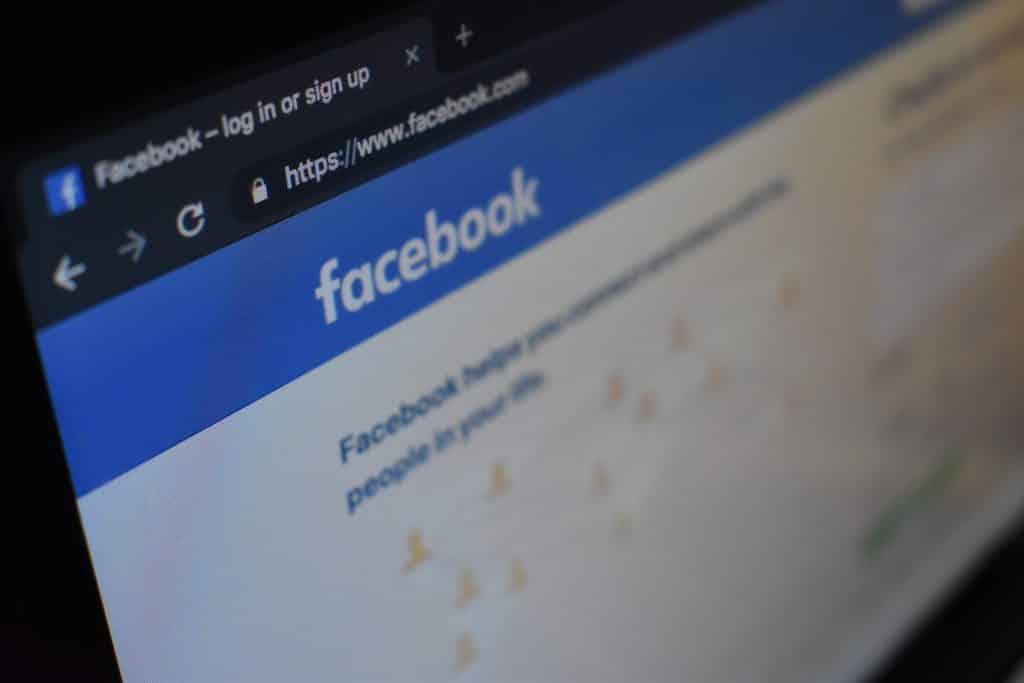
Meta Properties: Ads run across the Facebook feed, Instagram feed, Stories, Reels, Marketplace, and Audience Network, and each placement takes different creative dimensions, drives different audience behavior, and carries its own cost structure.
LinkedIn, TikTok, Pinterest: LinkedIn targets B2B audiences by job title and industry. TikTok reaches younger demographics through short-form video. Pinterest captures high-intent audiences in home and lifestyle categories.

Why: The Business Case
Demand Generation: Search only fires for people who already know they need something, while paid social triggers demand in people who do not know yet, so wherever awareness has to happen before the search, social is where the pipeline begins.
Audience Development: Running paid social also loads retargeting pools, email lists, and brand recognition that raise the efficiency of every other channel over time. The mechanism returns immediate conversions and stocks the audience that future campaigns convert.

Facebook and Instagram Advertising
for Local Businesses
How Meta’s Targeting Engine Places Ads That Broadcast Cannot
Phoenix residents with established homes and purchasing power are disproportionately active on Facebook. The platform’s algorithm caters to this demographic. Meanwhile, Instagram appeals more strongly to younger users who consume visual content at higher rates. This dichotomy is evident in the ad platforms shared by both networks.
Dark posts allow targeted segments of users to receive distinct messages within their feeds without cluttering the public timeline. This strategy enables Phoenix businesses to craft multiple, simultaneous campaigns that avoid overwhelming or alienating specific audience groups.
LinkedIn Advertising for B2B Lead Generation
How LinkedIn Job-Title Targeting Reaches the Exact Buyer
High costs are often misjudged against the wrong yardstick. A comparison with a salesperson’s cold call to an unexposed list reveals the efficiency of targeted advertising.
Job Title Targeting and ABM:
LinkedIn lets a campaign filter the audience down to an exact job title, then narrow further by company size, industry, and seniority, so a bid only reaches the person who actually signs off on the purchase. Account-based marketing takes this a step further: you upload a list of named target companies and the ads serve only to the buying committee inside those accounts. For a Phoenix B2B seller, that is how a single set of ads reaches purchasing managers at manufacturers of a specific size instead of spending against a broad, mostly irrelevant feed.
Content and Lead Generation Formats:
A well-crafted whitepaper or case study can serve as a valuable resource for professionals, establishing credibility and trust before any direct outreach occurs.
LinkedIn fits one specific type of B2B sale. It is wrong for almost everything consumer-facing.
Audience Targeting and Lookalike Audiences on Meta
How Custom and Lookalike Audiences Are Built From Your Data
It is the CRM, the customer email database, the transaction history. Uploading it feeds that owned data straight into the targeting engine as a usable asset.
Custom Audiences by Intent Level:
Effective marketing hinges on understanding the nuances of each audience tier. Calibrating messaging to the consideration process is key, rather than relying on generic awareness campaigns that fail to resonate. Customer email lists, for instance, convey a high level of intent compared to website visitors or video viewers.
Lookalike Audiences:
Building lookalike audiences involves uploading a source audience and instructing the platform to identify users sharing similar characteristics. The quality of this source audience directly impacts the accuracy of the match. A 1% lookalike, for example, will be smaller yet more targeted than a larger 5% counterpart built from unqualified leads.
Interest targeting serves as an initial step in audience segmentation. Building refined lookalike audiences from actual customer data is a more precise strategy for businesses with sufficient history to create meaningful source groups.
Ad Creative Strategy and Social Ad Formats
How Native-Style Creative Stops the Scroll
Every ad competes against posts from friends, family, and followed accounts. The visual context is the competitive environment.
Pattern Interrupts and the Hook:
Captivating a viewer’s attention within the first three seconds decides whether a video or static ad succeeds. It’s the moment when the audience decides whether to pause and engage with the content. Unexpected visuals, movement, or direct questions that mirror the viewer’s situation can shatter complacency and spark interest.
UGC-Style Creative:
Raw footage, shot on a smartphone, resonates with audiences in a way polished production often doesn’t. This is because it eschews traditional advertising tropes for an organic feel that echoes real-life conversations. A genuine customer testimonial, where they describe a specific problem and its resolution, consistently outperforms slick brand videos by appearing more relatable.
Ad fatigue typically kicks in after two to three weeks of continuous exposure to the same audience. When frequency exceeds four, creative refresh becomes essential to prevent diminishing returns.
Retargeting Campaigns and Meta Pixel Setup
How the Meta Pixel Rebuilds an Audience of Lost Visitors
With one, it is the start of a follow-up sequence.
Meta Pixel and Audience Building:
Audience Segmentation: Visitors who land on the pricing page but fail to submit a form trigger events that create distinct audiences. These individuals are then targeted with messages addressing their hesitation, rather than reinitiating conversations from scratch. The approach is centered around specific actions and incomplete steps.
Frequency Management:
Optimizing Retargeting Sequences: Repeated ad exposure without frequency caps can be intrusive, leading to negative brand associations sooner than conversions. A more effective strategy involves advancing the conversation through varying messages on different days, addressing distinct objections each time.
The return on ad spend (ROAS) for retargeting campaigns outpaces other types due to the existing familiarity with the brand among targeted audiences. This demographic is primed for follow-up engagement rather than initial exposure.
TikTok Advertising and Short-Form Video Strategy
How TikTok’s Spark Ads Reach an Audience Most Underprice
Local businesses have been missing out on significant ad inventory for years due to outdated assumptions about the platform’s user base. This has led to a price disparity between reach and ad cost.
Ad Formats and Spark Ads:
In-feed ads blend into users’ scrolling experience, while Spark Ads amplify existing content by preserving its engagement metrics. Social proof is a core part of any effective marketing strategy.
Content Requirements:
TV-style commercials don’t fare well on TikTok; instead, native-ad formats perform comparably to organic content. This means Phoenix businesses can create high-quality ads without breaking the bank. Production standards vary greatly between platforms.
As users increasingly rely on search functions for home, food, and service needs, local businesses in Phoenix are finding opportunities to integrate both paid and organic strategies within their marketing mix.

A/B Testing and Paid Social Campaign Optimization
How Changing One Variable Isolates the Winning Ad
Creative testing isn’t a luxury, it’s a necessity when efficiency counts. In tests with $1,000 in spend, Ad A generated 312 clicks while Ad B produced 1,
The test result is only as useful as the next test it informs. Optimization is a cycle.
- Isolating Variables: Conducting multivariate testing in isolation can be misleading. Analyzing each variable individually (image vs video, urgency headline vs question headline, warm palette vs cool) allows for a clear understanding of its impact. When multiple variables are changed simultaneously, it’s impossible to pinpoint the cause of any differences in results.
- Scaling Winners: Optimizing ad spend is a matter of allocating budget effectively. Most platforms offer automated rules that adjust spending based on performance: increasing budget for high-performing ad sets and pausing underperforming ones. Manual oversight still matters, particularly when conversion events are not clearly defined to prevent optimizing for cheap clicks on the wrong audience.

iOS Privacy Changes and
the Meta Conversions API
Cross-App Tracking and Reporting Blind Spots
Actual results diverge from reported metrics. Budget decisions made on incomplete data lead to misallocated resources.
 Conversions API
CAPI bypasses browser limitations by sending conversion data directly to Meta’s servers, whereas the browser pixel relies on iOS permissions. Conversion events are triggered upon user interactions, regardless of device settings. CAPI operates in tandem with the browser pixel for maximum accuracy under current constraints.
 First-Party Data as a Durable Asset
Businesses shielded from platform changes possess first-party data assets, such as email lists and CRM databases. These data sets function independently of third-party tracking methods. An email list built through paid social advertising continues generating revenue via campaigns despite restricted ad platform capabilities.

Paid Social Budgeting, ROAS, and Scaling Strategy
How ROAS Sets the Trigger for Scaling Spend
The trigger for scaling is the number itself: once a campaign holds its target return on ad spend, every added dollar is provably coming back with margin, so raising the budget stops being a gamble and becomes a measured decision. Scaling in Phoenix then comes down to how much profitable audience is left to reach and how quickly fresh creative can be produced.
- ROAS and Gradual Budget Scaling: Budget allocation strategies must be carefully calibrated to prevent Meta’s algorithm from entering a relearning phase. This phenomenon occurs when significant budget changes cause a temporary spike in cost per result, which subsequently necessitates recalibration. Implementing incremental 15-20% budget increases every three days mitigates this risk.
- Audience Exhaustion: Audience saturation is a tangible reality that can be quantified through metrics. Frequency above 3-4 interactions with a defined audience signals impending exhaustion. Effective scaling requires monitoring and adjusting the audience definition, introducing new creative assets, or shifting budgets towards untapped segments.
Two inputs cap a paid social campaign: how large the audience is and how often the creative refreshes. Both are manageable.


Frequently asked questions
How much should a business budget for paid social advertising?
Daily spend of $1,000 provides the algorithm with sufficient data to exit the learning phase and transition into optimization mode. Conversion rates build too gradually below this threshold for meaningful adjustments to be made. Campaign performance depends on multiple factors: cost per conversion in specific categories, profit margins, and lead volume that businesses can handle. Scale budget incrementally based on return-on-ad-spend (ROAS) data rather than launching large campaigns without a baseline.
What is the difference between boosting a post and using Ads Manager?
Limited targeting options and objectives define the Boosting feature’s capabilities. Reach and engagement are its primary focus areas. In contrast, Ads Manager offers comprehensive campaign objective sets, advanced audience targeting controls, placement flexibility, budget optimization, and diverse creative formats. Boosted posts serve to amplify visibility for existing content; they’re not designed for lead generation or campaigns requiring specific measurable outcomes.
What is a social media advertising funnel?
The algorithm matches message to audience temperature through three stages: top-of-funnel awareness, middle-stage consideration, and bottom-stage conversion. Cold audiences receive introductory content at the top of the funnel. Engaged users are then presented with consideration content highlighting why this business stands out specifically. Finally, warm audiences with demonstrated purchase intent are served direct offers with clear calls to action. Running identical messages across all stages is a waste of spend that doesn’t align with audience intent.
Why do Facebook ads get rejected?
Common ad rejection triggers include the misuse of before-and-after imagery in health contexts, claims implying knowledge of users’ personal circumstances without consent, discriminatory targeting practices in housing or employment ads, and landing pages not matching the ad content. Resubmitting the same ad without understanding which policy it violated is an inefficient use of time. Identifying the specific policy infringement allows for faster revisions.
Is LinkedIn advertising worth the higher cost per click?
For high-averaged contract value B2B businesses, yes: a $15 click can lead to lucrative contracts worth up to $40,
Does video outperform static images on social platforms?
In most categories and placements, video ads excel in terms of viewer engagement and brand recall compared to static images or longer video formats. Short-form videos under 30 seconds with effective three-second hooks outperform both longer videos and static images within feed placements. Authenticity matters: phone-shot videos often perform comparably to professionally produced content because they convey an organic, non-advertising tone.
What is a lookalike audience?
Audiences are created by the platform’s analysis of source audiences, typically customer lists, identifying users with matching statistical characteristics. A 1% lookalike audience is the most precise match; a 5% target is broader and less specific. Source quality directly influences match accuracy: two hundred qualified customers yield better results than five thousand unqualified leads.
How is conversion tracking set up for social ads?
The Meta Pixel installed on websites captures event data when visitors take specific actions, such as page views, form submissions, purchases, or phone clicks. These events are visible in Ads Manager as conversion actions campaigns can optimize towards for improved performance. Without conversion tracking, the platform optimizes for clicks and reach rather than actual business value drivers.
Can ads target a competitor’s audience?
Direct competitor name targeting is rare on most platforms; Meta has removed this feature for many categories. What remains is interest-based targeting, focusing on topics associated with a category or niche. For example, a hardware store can target users interested in home improvement but cannot directly target Home Depot followers. LinkedIn stands out by allowing company name targeting for account-based marketing, enabling B2B businesses to target employees of specific companies.
How often does ad creative need to be refreshed?
Ad fatigue typically sets in after two to three weeks of consistent exposure to the same audience, as indicated by rising cost per result and declining click-through rates on previously performing creative. Frequency climbing past 3-4 impressions per user is the signal that trips first. Refreshing ads doesn’t require rebuilding the entire campaign; introducing new images, a new video hook, or updated headline copy within the existing structure can reset engagement.

Google partner
Premiere Agency