
 610.432.2600
Ground Footage Shows Your Product. Aerial Video Shows The Scale And Story That Makes Buyers Care.
A ground camera captures the subject in front of it. An aerial camera captures the setting, the surrounding landscape, and the sense of scale that gives a brand story its production value. Advertising, listing, and destination campaigns lean on both, and the aerial angle is what makes the footage feel like a real production.
Project Snapshot: The 5 Ws
The Core Elements of a Drone & Aerial Videography
The Who
The What
The When
The Where
The Why

Who: The People Commissioning Aerial Work
The Brand and Property Marketer: A listing or a campaign competes on how well it shows setting and lifestyle. Ground photos show the walls, and an aerial orbit shows the location, the surroundings, and the story a buyer is really shopping for.
The Venue and Event Marketer: Hotels, resorts, and event organizers sell atmosphere and scale. Aerial footage gives them the establishing shots and hero visuals that make a property or an event look like a destination worth booking.

What: The Aerial Work
Cinematic Video and Photography: 4K and 5.4K footage, 48MP stills, and planned flight paths for marketing, brand content, and property presentation. The same flight also supplies the material for a property tour.
Advertising and Social Content: Short promotional cuts and social-ready vertical video built to sell rather than to document. This is the footage that carries an ad campaign, a tourism push, or an event recap across every channel.
When: The Timing Constraints
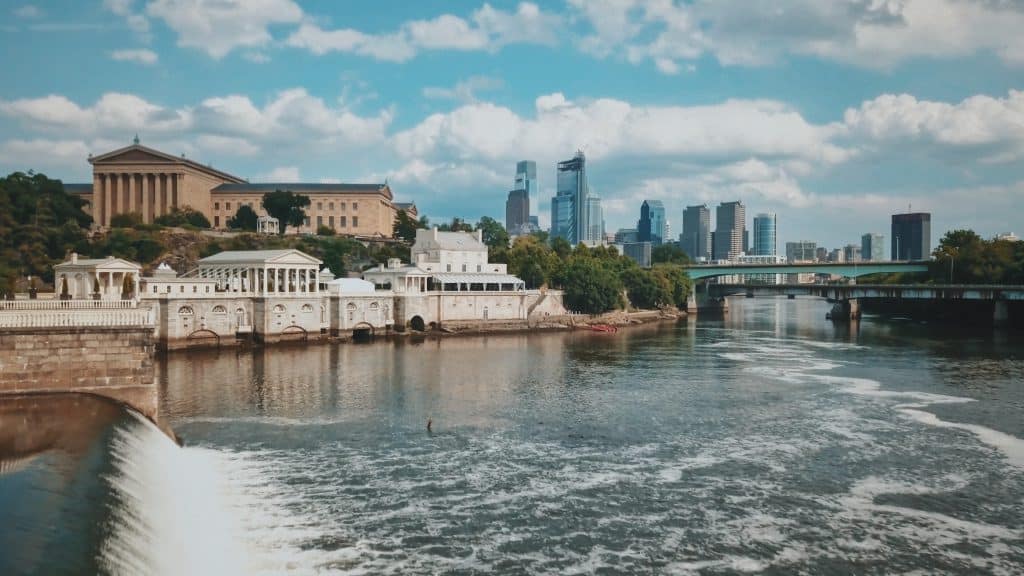
Golden Hour for Brand and Listing Work: Sunrise and sunset give aerial footage the warm, cinematic light that makes a property or a destination look its best. Midday shoots work when a campaign needs clean, even light and true color over mood.
Weather-Aware Scheduling: Rain grounds a shoot and strong wind softens the footage, so shoot days are planned around the forecast. Campaigns are booked with a primary date and a backup so the delivery deadline still holds.
Where: Where Aerial Content Earns Its Keep
Properties, Venues, and Destinations: Aerial content works anywhere the setting is part of the sell, from real-estate listings and resorts to festivals, campuses, and store openings. The right vantage points are scouted during planning so the shoot delivers usable marketing footage on the day.
Cleared and Permitted Locations: A licensed crew handles the permissions and site access a commercial shoot needs, so the footage is cleared for advertising use. That groundwork is settled before the shoot, which keeps a campaign on schedule.
Why: The Business Case
Attention and Production Value: A single aerial shot sets a scene, shows scale, and signals that a brand invested in real production. Ground-level footage rarely lands the same first impression in a crowded feed.
Reach and Reuse: One flight yields hero shots, social cuts, and website b-roll that a campaign uses for months. The footage carries a listing, a launch, and a brand channel from a single shoot day.

Professional, Insured Aerial
& Production
A licensed, insured crew protects your brand
The crew you hire becomes part of your brand the moment their footage runs in your campaign. A licensed, insured aerial team protects that brand, because the footage comes back cleared for commercial use and ready to run. An unlicensed operator can hand you great-looking clips that you are not allowed to advertise with.
A professional aerial crew carries the certification and the currency that commercial work requires, so the footage they deliver is usable in paid advertising, on broadcast, and across social. That credential is renewed on schedule and backed by real experience on commercial sets. Clips shot without it can put a whole campaign at risk long after the invoice is paid.
Insurance is the second layer of protection for your brand. A commercial aerial crew carries liability coverage and provides proof of it to venues, property owners, and event organizers before the shoot. That means the locations your campaign needs are cleared to fly, the shoot goes ahead on the day, and your brand is never exposed to someone else’s risk.
Working with a licensed, insured crew is the simplest way to keep your footage, your locations, and your brand on solid ground.
Commercial Real Estate & Development
What an Aerial Pass Shows That a Ground Photo Leaves Out
The warehouse measures 180,000 square feet, and ground-level photography confirms that number. It says nothing about the four minutes between the loading dock and the highway interchange. The aerial pass carries the second number, and location logistics are the part of a commercial listing that a ground photo cannot argue.
Location intelligence isn’t always immediately apparent from ground-level imagery. Aerial shots can quickly convey logistical information that might otherwise require extensive documentation or mapping.
Orbit Shots and Contextual Framing:
Orbiting shots create a rotating panorama of the property’s surroundings, incorporating key context such as neighboring distribution centers and transportation infrastructure. This visual presentation can be augmented with motion graphics overlays, labeling critical features like highway designations and property boundaries.
Residential and Luxury Property Presentation:
Aerial views provide essential context for residential listings, addressing questions that ground-level photos often leave unanswered. Property proximity to main roads, lot layout, neighborhood density, and bordering water bodies or easements become instantly clear in a single glance from above.
Without an aerial perspective, properties must focus on specification-driven marketing against their contextually rich competitors.
Development Progress and Time-Lapse Content
A Rising Building Is a Marketing Story Investors and Buyers Want to Watch.
A development is easiest to sell while it is going up. Aerial footage shot from the same vantage every month turns that progress into content investors, lenders, and future tenants actually want to see. The story of a project taking shape becomes a marketing asset long before the doors open.
Monthly Progress Documentation:
Shooting from the same height every 30 days builds a clean time-lapse of the project coming together. Early clips show the cleared lot, later ones show the structure rising and the exterior closing in. Investors and stakeholders who never visit the site can follow the momentum, and the finished sequence becomes launch content when the building opens.
Milestone Reveals and Launch Content:
Big milestones make the best content. A topping-out, a facade reveal, or a finished plaza reads far better from the air than from the sidewalk. Those flyovers give a marketing and leasing team hero shots for brochures, investor updates, and the campaign that fills the building.
A project that markets itself as it rises has a head start on leasing and sales. Monthly aerial coverage is a small line item next to the value of opening with an audience already watching.
FPV Drone & Videography
A Standard Drone Floats. An FPV Drone Flies the Whole Shot in One Take.
FPV drones fly one continuous, high-energy take that dives through a doorway, banks down a corridor, and slips out a second-story window. The result is motion a standard aerial shot cannot match. For brands, that single unbroken move is the shot people stop to watch and share.
FPV for Venue and Facility Tours:
FPV walk-through content holds attention in a way a slow stabilized pan never does, which is why venues, taprooms, showrooms, fitness studios, and event spaces commission it. The flight path travels through the room instead of circling it, moving from the entrance to the heart of the space in one shot. Running it as a single continuous take is what creates the effect, since any cut breaks the immersion. What the viewer gets is an unbroken, kinetic trip through the space that feels like an invitation to visit.
FPV for Brand and Event Content:
Brands building high-energy content around product launches, sporting events, and live competition reach for FPV because standard aerial and ground cameras cannot match its intensity. Few crews have the production skill to execute clean FPV, so the footage stands out by default. A well-made FPV run through a venue or an event reads as a real production investment, and that signals how seriously the brand takes its audience.
Because the flight path is the edit, FPV footage demands far more pre-flight planning than standard aerial work. Mistakes are not correctable after the fact.
Aerial B-Roll for Brand Films & Commercials
One Aerial Cut Lifts a Brand Film Beyond Ground Footage.
Cut to an aerial shot in a brand film and the whole piece changes register. The view widens, the scale reads, and the production suddenly feels bigger than its budget. That is why aerial b-roll shows up in commercials, sizzle reels, and hero videos across almost every industry.
Establishing Shots That Set the Scene:
Most brand films open on an establishing shot, and an aerial one does the job in seconds. A slow rise over a headquarters, a campus, or a coastline tells the viewer where they are and sets the tone before a word is spoken. The same footage cuts cleanly into transitions later in the edit, giving the whole piece a sense of scale.
Transitions and Motion That Carry Energy:
Aerial movement between scenes keeps a film feeling alive. A push across a skyline or a reveal over a product launch bridges two moments without a hard cut and adds momentum. Editors lean on that motion to keep energy high through a commercial or a longer brand story.
The deliverable is graded, edit-ready b-roll that drops straight into a campaign. A single flight can supply the opening shot, the transitions, and the closing rise for one polished film.
Tourism, Hospitality & Destination Aerials
Aerial Footage Sells a Destination Better Than Interior Photos Ever Will.
Guests do not book a room. They book the feeling of being somewhere worth traveling to. Interior photos show the product, and an aerial at golden hour sells the escape, which is what makes people choose one destination over another.
Resorts, Hotels, and Getaways:
A resort lives or dies on atmosphere, and atmosphere is what an aerial captures best. A slow reveal of the pool deck against the coastline, the grounds at sunset, or a rooftop against the skyline gives a property the hero shot its whole campaign is built around. That single image works on the homepage, in paid ads, and across every booking channel.
Destinations, Trails, and Attractions:
Destination marketers sell a whole region the same way. An aerial run over a coastline, a vineyard, a downtown, or a trail network shows the scale and beauty a ground camera can only hint at. That footage anchors tourism campaigns, welcome videos, and the social content that turns a place into a trip people plan.
The footage comes back graded and ready for the website, the ad, and the reel. One shoot can carry a season of hospitality and tourism marketing across every channel that matters.

Event Coverage & Live Streaming
Aerial views reveal the true nature of the gathering.
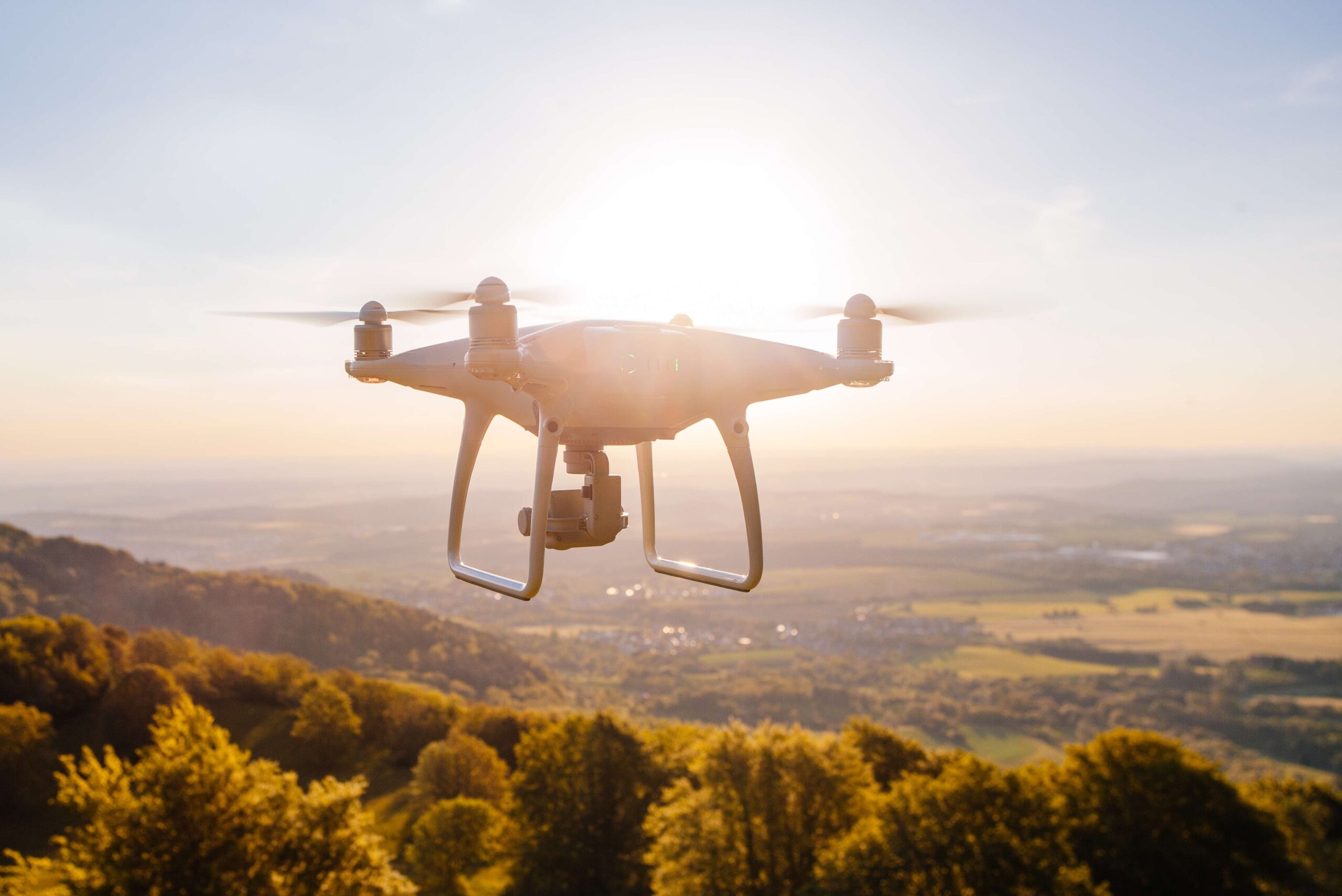
From the ground, a crowd of 3,000 is a wall of shoulders. From 200 feet up, the same crowd reads as a real footprint with a stage, packed vendor rows, and overflow spilling past the gates. That sense of scale is exactly what sponsors and organizers want to show, and no ground camera can reach it.
A crew captures that scale from safe offset positions that still take in the full sweep of the event. The result is footage that makes an event look as big as it felt, which is what fills seats the following year.
- Event Documentation and Highlight Content: Sponsor activations, the crowd, and the footprint of the site all land in a single frame from the air. That frame is the one sponsors, prospective attendees, and media outlets respond to, because it carries the scale and the energy of the event in a way that ground-level coverage cannot reach.
- Branded Live Feeds and On-Site Screens: A live aerial feed puts the whole event on stage screens and social streams as it happens. Remote guests, sponsors, and press watch the aerial view the moment it happens, which extends the reach of the event far beyond the people on site.

Post-Production &
Color Grading
Raw Drone Footage Comes Out of the Camera Looking Flat, and That Is Intentional.
Capturing footage in D-Log or D-Cinelike preserves the sensor’s dynamic range in its entirety. This is crucial because blown-out skies can be a major issue when shooting outdoors. Shadows also need to be preserved, lest they become crushed and lose all detail. Color information must remain intact for post-production grading.
 Color Grading for Cinematic Output
Color grading takes flat color profiles to the next level by selectively restoring saturation. In a verdant landscape like a rolling hillside in late spring, greens are revitalized. Warm tones of industrial settings at dusk can also be brought back to life. Meanwhile, contrast is judiciously added to imbue images with depth. Any residual micro-jitter caused by moderate wind is expertly addressed using stabilization software.
 Workflow and Deliverable Formats
Output formats vary based on production requirements: ProRes for professional editing workflows, H.264 or H.265 for web and social media delivery, and specific broadcast specs for television use. Raw camera files are preserved as a backup, allowing clients to retain their original recordings for long-term archival purposes or future regrade. Images are delivered in high-resolution TIFF or JPEG at 48 megapixels, ideal for large-format print applications like billboards.
Weather Planning & Flight Logistics
We Protect Your Shoot Date and Your Delivery Deadline.
Weather is the one thing a shoot cannot control, so a professional crew plans around it. Every booking is built to protect your campaign date and the deadline that depends on it.
- Booked With a Backup Date: Rain, heavy wind, and low light can all soften footage or force a change of day, so every date is booked with a clear primary window and a backup. If conditions turn, the crew reschedules to protect the footage rather than shoot through bad weather and deliver less.
- Ready for a Full Shoot Day: A crew arrives equipped to shoot from golden hour to golden hour. Multi-location days, sunrise and sunset light, and long events are all planned for in advance, so the schedule holds and every shot on the list gets captured.
Protecting the Deliverable A rescheduled shoot day protects the campaign, because footage captured in the right conditions is what your brand actually wants to run. Moving a date to hold that quality is part of delivering work you can put your name on.

Frequently asked questions
Can drones fly indoors?
Yes. Indoor aerial shots work well for venue tours, showrooms, and event spaces, giving a listing or a brand film movement that a handheld camera cannot. Indoor flights take extra planning, so we scout the space in advance to get the shot cleanly.
How soon can we get the finished footage?
Turnaround depends on the size of the shoot, and a typical edit of graded highlights and social cuts is delivered within one to two weeks. If a campaign has a hard launch date, we build the schedule around it and can prioritize a first cut when it is needed sooner.
Can drones fly at night?
Yes, and night aerials give a brand a completely different mood. City lights, a lit stadium, or an illuminated resort at dusk make for striking hero shots. Night shoots take extra planning, which we handle so the footage comes back clean and on brand.
What insurance covers commercial drone operations?
We carry commercial aviation liability coverage and provide proof of it to venues, property owners, and event organizers on request. That means the locations your campaign needs are cleared to shoot and your brand is never exposed to someone else’s risk.
Can one shoot cover more than one location?
Yes. We plan multi-location days so a single booking can capture a property, a nearby landmark, and supporting b-roll in one trip. Grouping the footage this way gives a campaign more to work with and keeps the cost per usable shot down.
Can you match footage to our existing brand look?
Yes. We grade the footage to sit alongside your other content, matching the color, pace, and tone your brand already uses. The aerials are delivered edit-ready so they drop straight into your campaign without looking bolted on.
What resolution is drone footage and photography?
Drone video is captured at 4K or 5.4K depending on the platform, which leaves room for a significant crop in post without losing resolution. Still photography is captured at 48 megapixels, which holds up for billboard and large-format print. Both are delivered in the specifications the production pipeline or the print vendor requires.
Does drone footage include audio?
Propeller noise dominates the audio during drone operation, making ambient sound unusable in footage. Separate ground-based recording systems can capture crowd audio for event coverage, synchronized with aerial footage in post-production.
What permits are required for a drone shoot?
We handle the permissions a commercial shoot needs, from airspace clearance to property and venue access. You approve the locations and the shoot list, and we take care of the paperwork so your date stays on the calendar.
Can drone video be streamed live to a remote viewer?
Yes. We can stream the aerial view live to a remote audience or push it to platforms like YouTube Live, so sponsors, press, and clients who cannot attend still experience the event as it happens.
Available in Your City

Google partner
Premiere Agency